
Installing a new asphalt driveway is a major investment that affects both the functionality and appearance of your property. A properly installed driveway can improve curb appeal, provide reliable vehicle access, and support long-term durability when maintained correctly. However, achieving those results requires careful planning before installation begins.
Many homeowners focus mainly on appearance when planning a new driveway, but several other factors can affect long-term performance and maintenance needs. According to Fixr, you can walk on a new driveway after 24 to 48 hours and drive on it within three to 5 days. Understanding what goes into proper driveway installation helps homeowners make informed decisions while avoiding preventable problems later.
1. Understanding the Importance of Proper Site Preparation
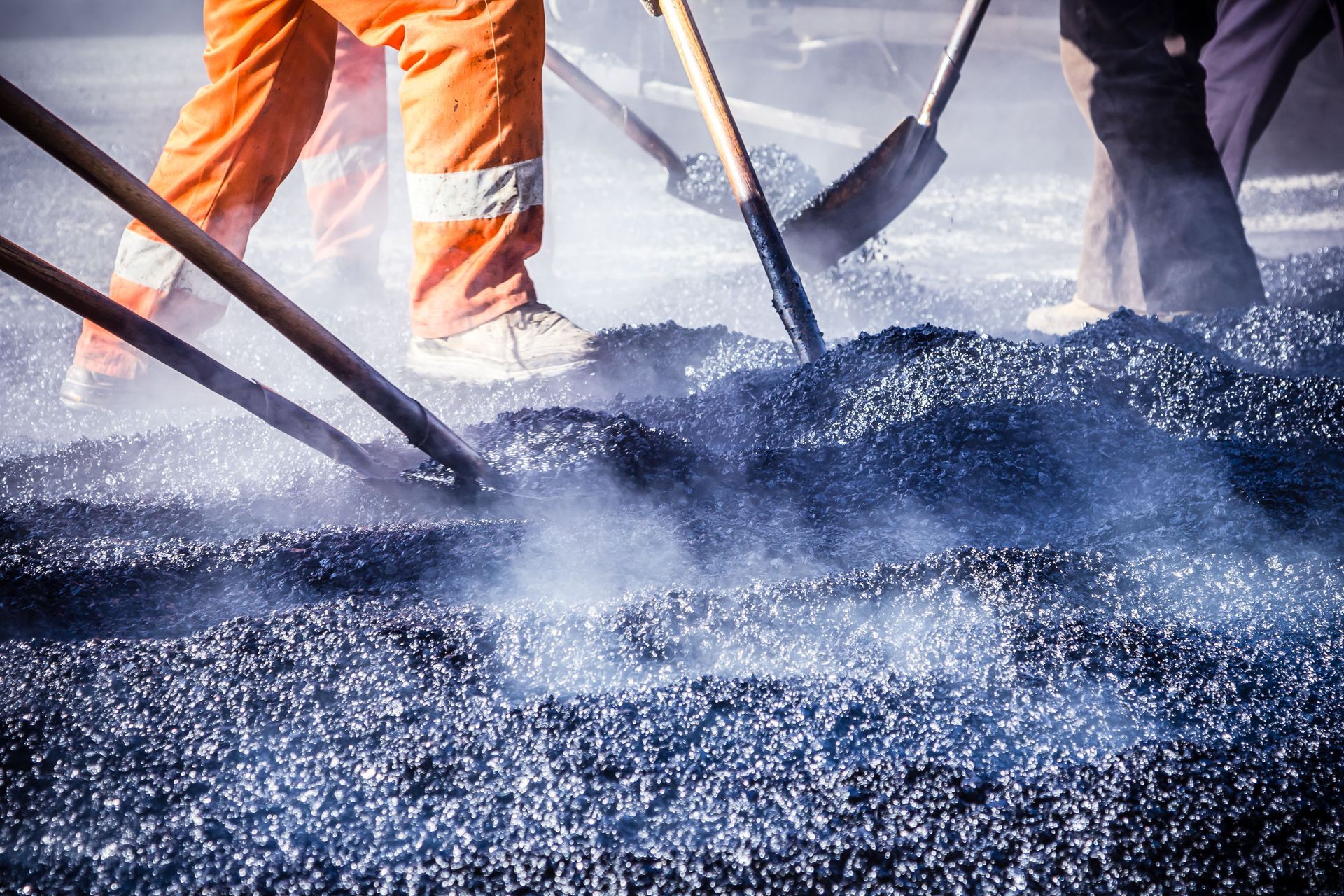
One of the most important parts of any driveway installation happens before the asphalt is even applied. Proper site preparation creates the foundation that supports the driveway over time. If the base is unstable, uneven, or poorly compacted, the asphalt surface may crack, sink, or deteriorate much faster.
An experienced asphalt company carefully evaluates soil conditions, grading, drainage, and existing surface conditions before beginning installation. Proper excavation and compaction help create a stable base capable of supporting vehicle traffic and changing weather conditions. Strong preparation often plays a major role in the long-term durability of the finished driveway.
2. Considering Drainage Around the Property
Water is one of the biggest threats to driveway longevity. Poor drainage can allow water to collect beneath or around the asphalt surface, eventually weakening the base material and contributing to cracks, potholes, or surface shifting. Standing water may also create safety concerns during freezing conditions.
Before installation begins, a professional asphalt company evaluates how water flows across the property and away from the driveway area. Proper grading and drainage design help direct water away from vulnerable sections of the pavement. Managing drainage correctly can significantly improve the lifespan and stability of the driveway.
3. Choosing the Appropriate Driveway Size and Layout
Driveway design should reflect both current and future needs for the property. Homeowners should consider how many vehicles will regularly use the driveway, whether additional parking space may be needed later, and how traffic flow affects accessibility around the home.
Working with an asphalt company allows homeowners to create a layout that balances functionality with available space. Wider driveways, turnarounds, or expanded parking areas may improve convenience and reduce wear caused by repeated tight turning movements. Thoughtful design planning helps ensure the driveway supports long-term daily use effectively.
4. Understanding Asphalt Thickness Requirements
The thickness of the asphalt layer directly affects how well the driveway handles traffic and weather exposure over time. Driveways supporting heavier vehicles or frequent usage may require thicker asphalt applications and stronger base materials than lighter residential traffic areas.
An experienced asphalt company evaluates vehicle loads, usage patterns, and soil conditions when determining proper asphalt thickness. Installing the correct thickness helps reduce the risk of premature cracking, rutting, and surface damage. Proper material depth also contributes to better long-term structural performance.
5. Knowing How Weather Conditions Affect Installation
Weather plays an important role in asphalt installation quality. Extremely cold temperatures, heavy rain, or excessive moisture can interfere with proper compaction and curing. Timing the project correctly helps ensure the asphalt bonds and settles properly during installation.
Many homeowners rely on an asphalt company to determine the best installation window based on local weather conditions and seasonal temperatures. Proper installation conditions help improve compaction quality and long-term durability. Experienced crews understand how environmental factors affect the paving process from start to finish.
6. Planning for Proper Curing Time
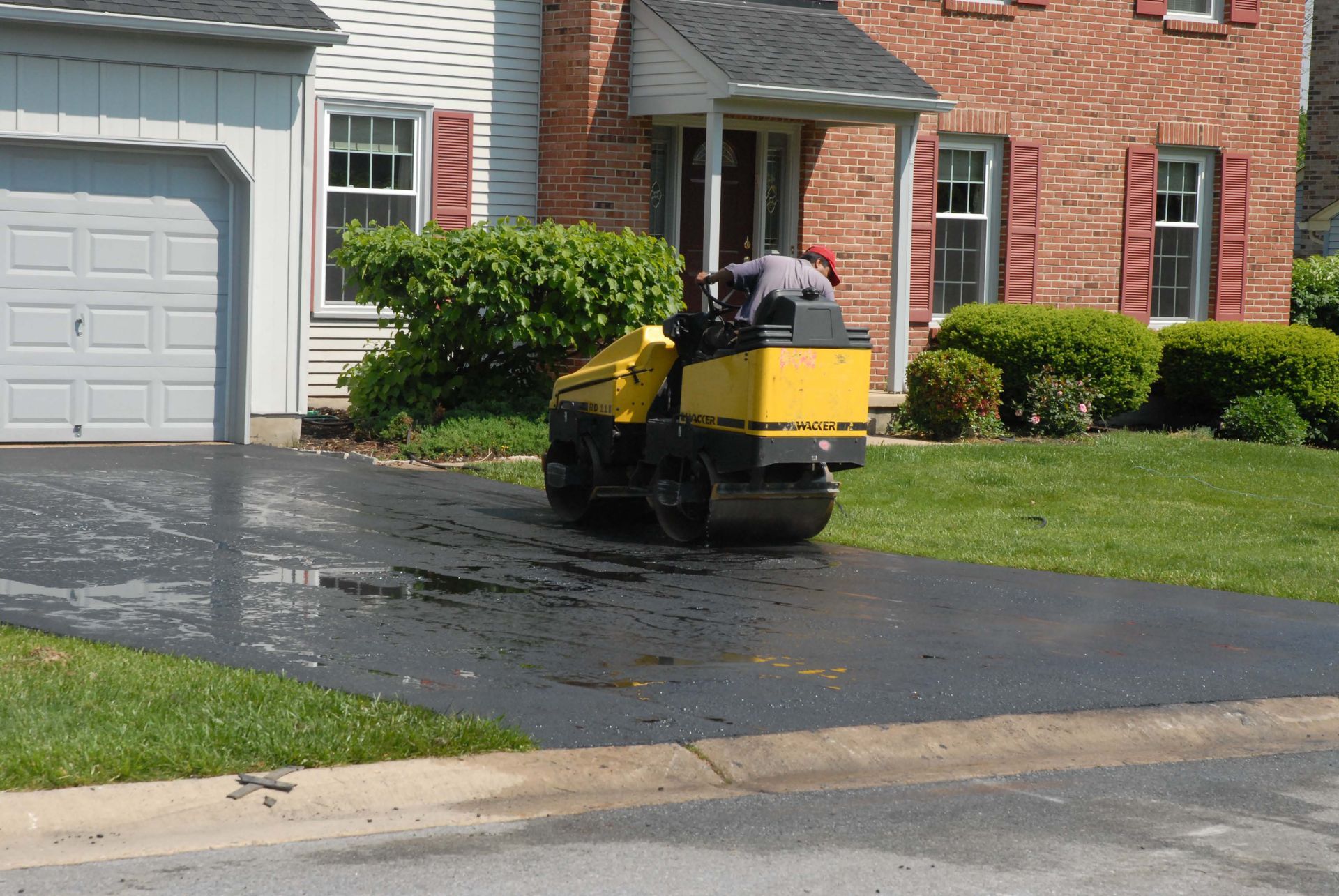
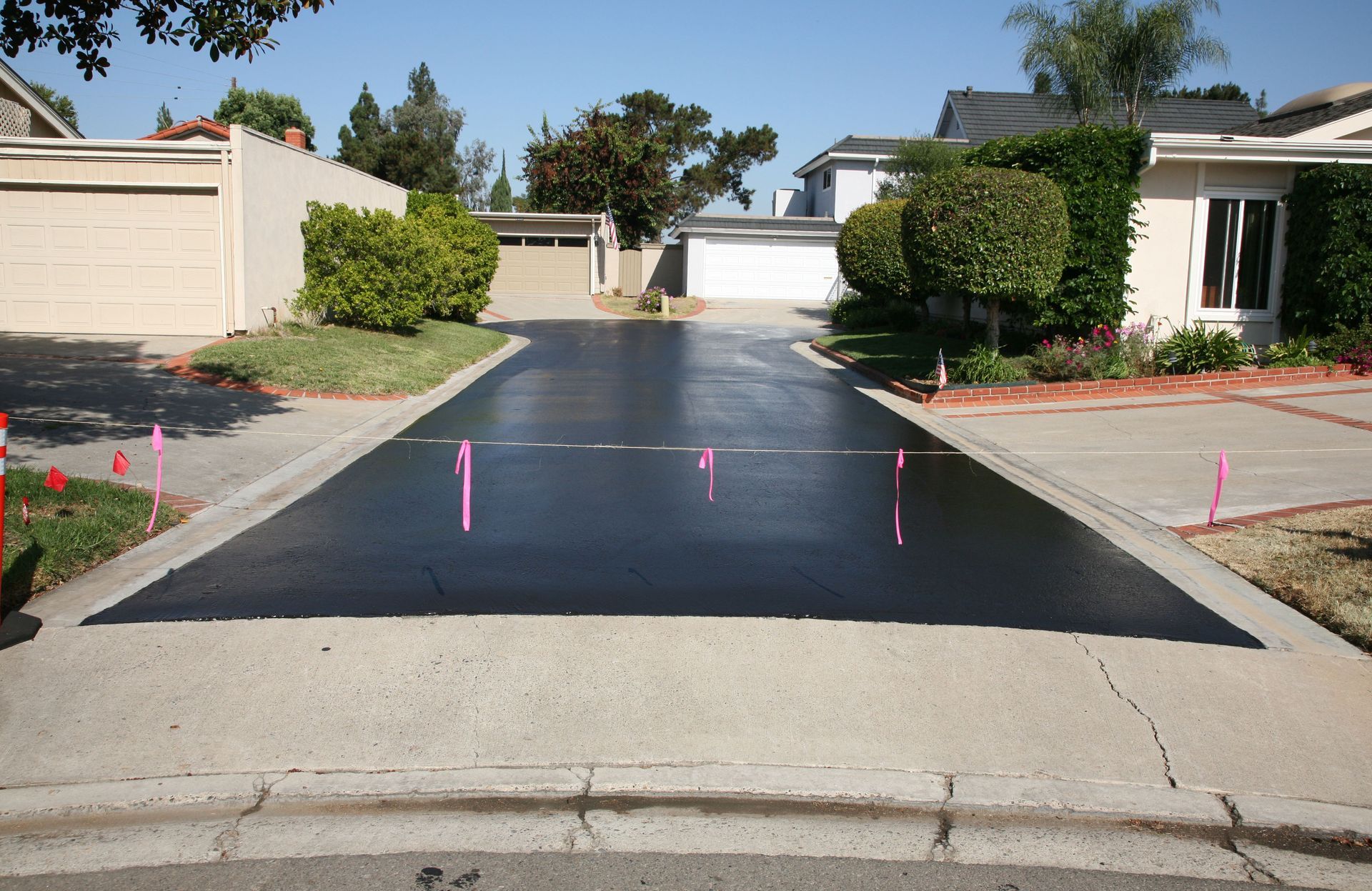
New asphalt surfaces require time to cure and harden fully after installation. Although the surface may appear ready immediately, driving or placing excessive weight on the driveway too soon can create indentations, scuffing, or surface damage. Proper curing helps protect the integrity of the new pavement.
Homeowners should follow all recommendations provided by the asphalt company regarding foot traffic, vehicle access, and maintenance during the curing period. While asphalt becomes usable relatively quickly, full curing may continue for several months after installation. Allowing proper curing time helps support stronger long-term performance.
7. Considering Long-Term Maintenance Requirements
Like any exterior surface, asphalt requires ongoing maintenance to remain in good condition over time. Sun exposure, moisture, vehicle traffic, and seasonal weather changes gradually affect the surface as years pass. Without proper care, small cracks and surface wear may eventually develop into larger issues.
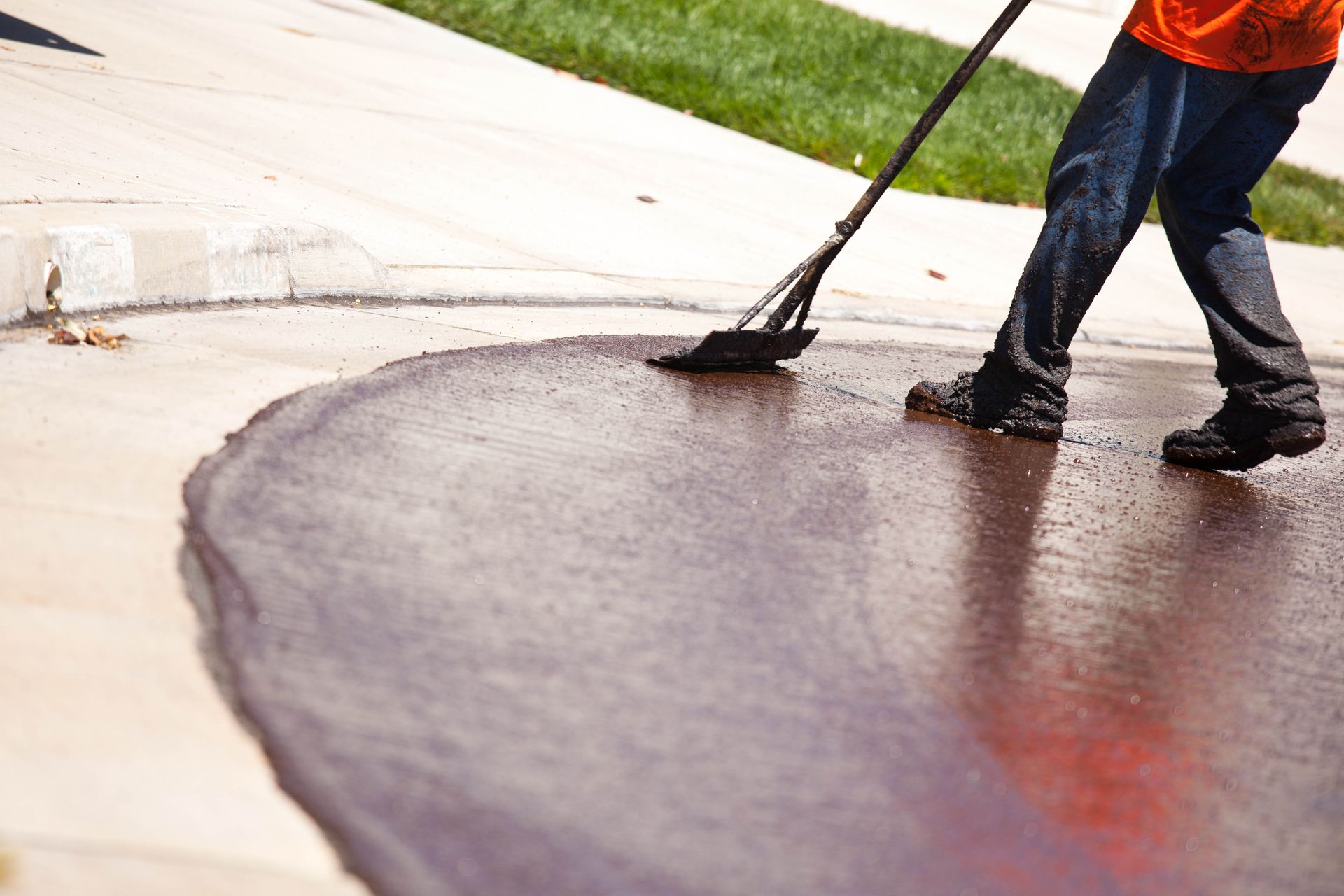
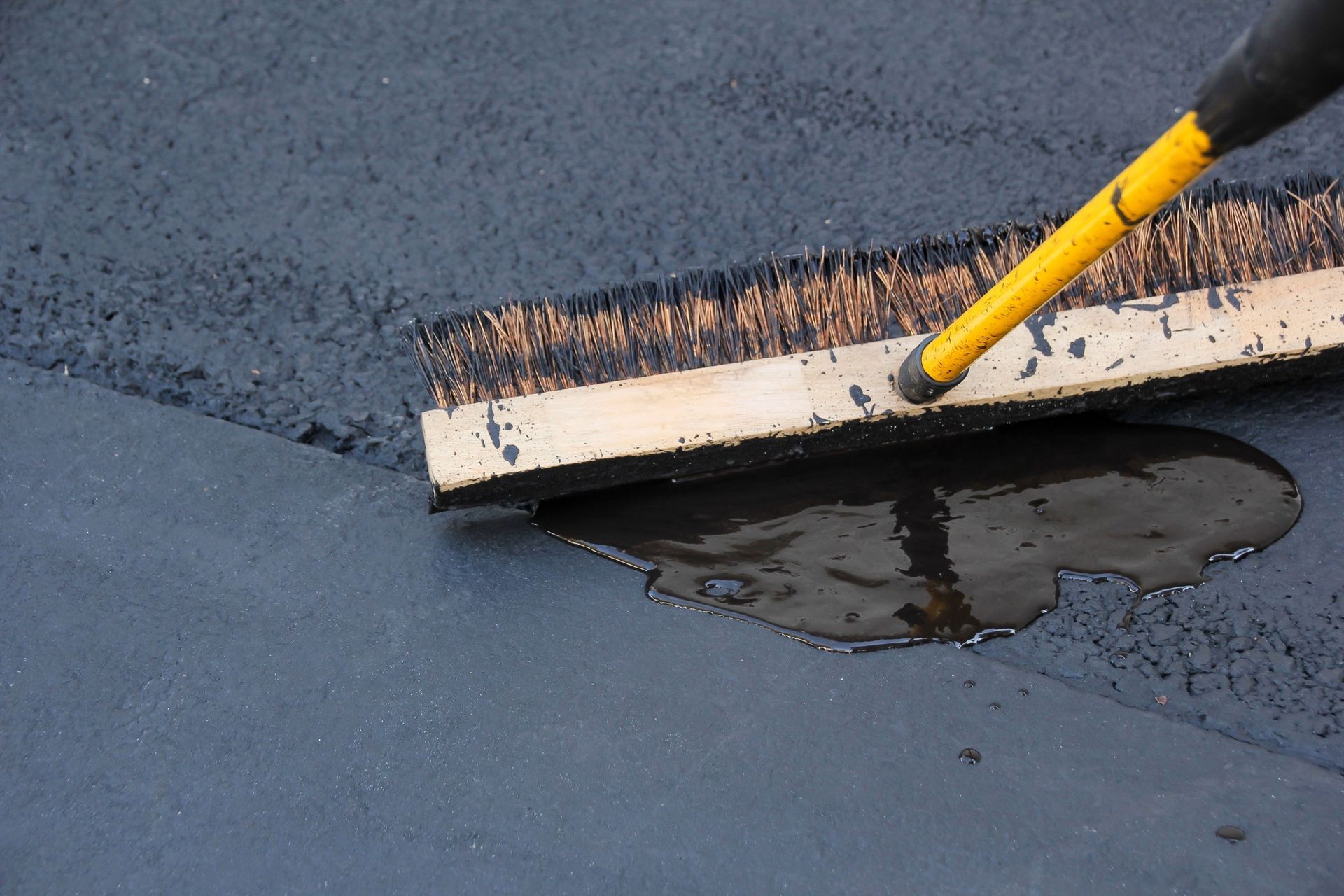
A professional asphalt company can explain maintenance recommendations such as sealcoating, crack filling, and routine inspections that help extend driveway lifespan. Preventative maintenance helps protect the surface from water penetration, oxidation, and premature deterioration. Regular upkeep often reduces the need for major repairs later.
8. Understanding the Benefits of Professional Installation
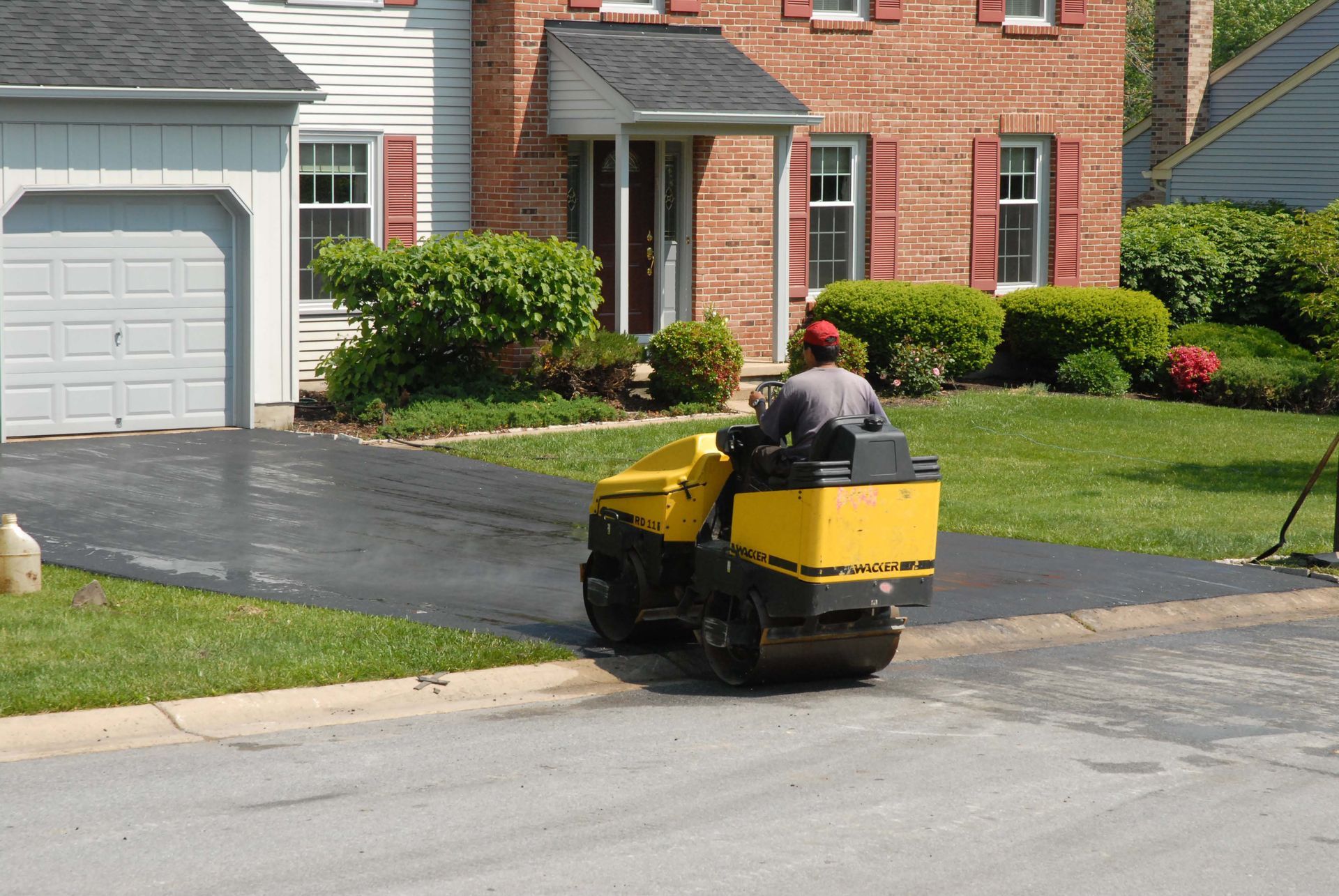
Driveway installation may appear straightforward, but proper paving involves specialized equipment, grading expertise, material knowledge, and compaction techniques. Improper installation can lead to uneven surfaces, poor drainage, premature cracking, and shortened pavement lifespan.
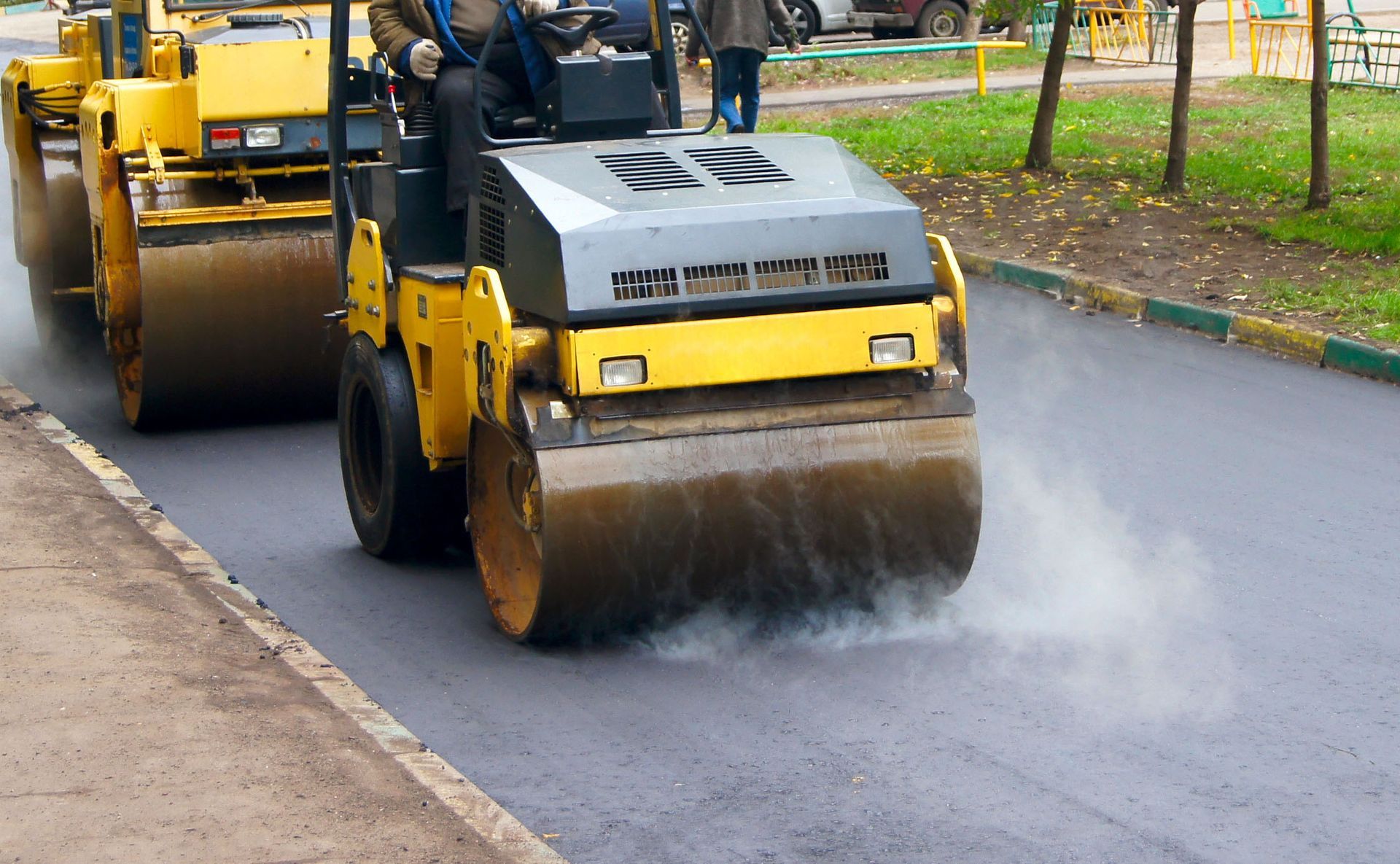
Working with a qualified asphalt company helps ensure the driveway is installed correctly from the beginning. Professional crews understand how to prepare the site, apply materials evenly, and compact the asphalt properly for long-term performance. Quality installation often makes a significant difference in both appearance and durability.
9. Evaluating Existing Driveway Conditions
Some homeowners replacing older driveways may wonder whether the existing surface can be resurfaced or if a full replacement is necessary. The condition of the current driveway base, drainage system, and underlying structure all influence which option is most appropriate.
An asphalt company can inspect the existing driveway and determine whether resurfacing, repairs, or complete replacement will provide the best long-term results. Addressing hidden structural problems before installation helps prevent future issues from affecting the new surface. Professional evaluation allows homeowners to make more informed decisions about the project scope.
10. Considering Curb Appeal and Property Value
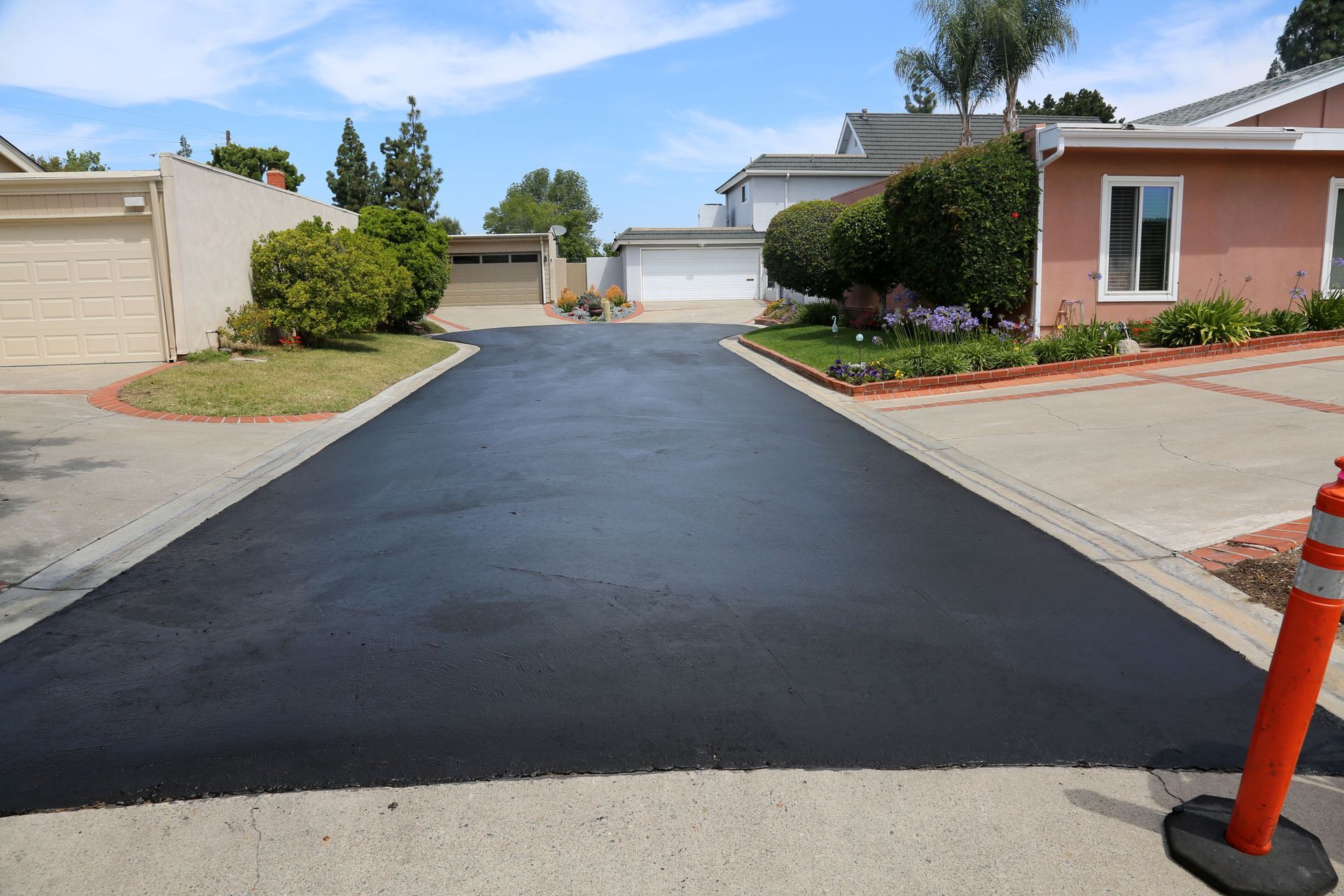
A driveway is one of the first features people notice when approaching a property. Cracked, uneven, or deteriorating pavement can negatively affect the appearance of the home and reduce overall curb appeal. A clean, professionally installed driveway often creates a stronger first impression.
Many homeowners choose to work with an asphalt company because a new driveway can improve both appearance and functionality simultaneously. Fresh asphalt surfaces provide a smooth, uniform look that complements landscaping and exterior features. Improved curb appeal may also contribute to greater long-term property value.
11. Planning for Future Usage Needs
Homeowners should think beyond immediate needs when planning a driveway installation. Additional vehicles, trailers, recreational equipment, or changing household needs may affect how the driveway is used in the future. Planning ahead can help avoid costly modifications later.
An experienced asphalt company can recommend layout adjustments or structural improvements that accommodate future usage expectations. Considering long-term needs during the planning stage often results in a more practical and durable driveway design. Forward-thinking planning helps homeowners maximize the value of their investment.
12. Understanding the Importance of Quality Materials
The quality of asphalt materials used during installation affects both durability and appearance over time. Inferior materials or improper asphalt mixtures may wear down faster, develop cracks more quickly, or fail to withstand changing weather conditions effectively.
Reputable asphalt company professionals use quality materials designed to perform well under local environmental conditions and traffic demands. Proper asphalt mixtures combined with professional installation help create stronger, longer-lasting driveways. Investing in quality materials from the beginning often reduces maintenance and repair concerns later.
Installing a new asphalt driveway involves more than simply laying pavement. Proper preparation, drainage planning, material selection, and professional installation all contribute to long-term durability and appearance. At Musser Sealcoat & Paving Inc, our team provides professional paving services designed to help homeowners create strong, reliable driveways that stand up to everyday use and changing weather conditions. Contact us today to learn more about planning your asphalt driveway installation project.

Share On: