
Asphalt pavement is a significant investment for residential and commercial property owners, playing a crucial role in infrastructure. Its proper maintenance not only preserves its aesthetic appeal but also maximizes its lifespan. Sealcoating stands out as an essential practice in ensuring the durability and longevity of asphalt surfaces, providing a protective layer against various environmental aggressors. By regularly applying sealcoating, property owners can effectively shield their asphalt surfaces from the daily wear and tear they face, much like sunscreen protects skin from harmful UV rays. This article delves into the multifaceted advantages of working with a sealcoating company.
Understanding Asphalt Deterioration
The Components of Asphalt
Asphalt, commonly referred to as bitumen, is composed of a mixture of aggregates bound together by asphalt cement. These aggregates typically include sand, gravel, and crushed stone. Asphalt cement acts as the glue, holding everything together to form a durable road surface. Over time, this binding agent is susceptible to degradation due to environmental factors and traffic. Understanding these components is essential as each plays a role in the overall resilience and strength of the asphalt pavement.
Environmental Factors Affecting Asphalt
Asphalt surfaces are continuously exposed to harsh environmental conditions, which contribute significantly to their deterioration. Ultraviolet (UV) rays from the sun can cause the oxidation of asphalt, leading to brittle and cracked surfaces. Rain and snow introduce moisture that can penetrate the surface, compromising the integrity of the asphalt. Seasonal temperature fluctuations can result in the expansion and contraction of the pavement, exacerbating the formation of cracks and potholes. Each of these factors accelerates the degradation process, underscoring the necessity of protective measures.
Common Signs of Asphalt Wear
Visible signs of wear and tear on asphalt surfaces include cracking, fading, and potholes. Alligator cracks, named for their resemblance to alligator skin, are a frequent indication of deteriorating asphalt. Faded asphalt is not only an eyesore but also a sign of surface oxidation. Potholes, caused by water infiltration and traffic load, present safety hazards to motorists and pedestrians. Recognizing these signs early allows for timely intervention, reducing repair needs and extending the pavement's service life.
The Impact of Traffic Load
High volumes of traffic and the weight of heavy vehicles can impose considerable stress on asphalt surfaces. The compressive forces exerted by vehicles lead to rutting and depressions, particularly in high traffic areas. Over time, as the asphalt binds and weakens, the cumulative effect of constant load can result in irreversible damage. The structural capacity of the pavement is compromised, necessitating more frequent repairs and maintenance. Implementing a scheduled maintenance program with the help of a sealcoating company can help alleviate these pressure-induced damages.
Long-term Effects if Unaddressed
If asphalt deterioration is left unaddressed, the structural integrity of pavements degrades significantly faster. According to Fixr, asphalt can last 30 years with proper maintenance and sealing; without it, however, it may last only half as long. Neglecting maintenance leads to an increased frequency of repairs and, eventually, resurfacing or replacement. Additionally, untreated damage can pose safety risks, including vehicle and pedestrian accidents. Maintaining asphalt is a proactive measure to extend its lifespan and ensure safety.
Analyzing the Basics of Sealcoating
What is Sealcoating?
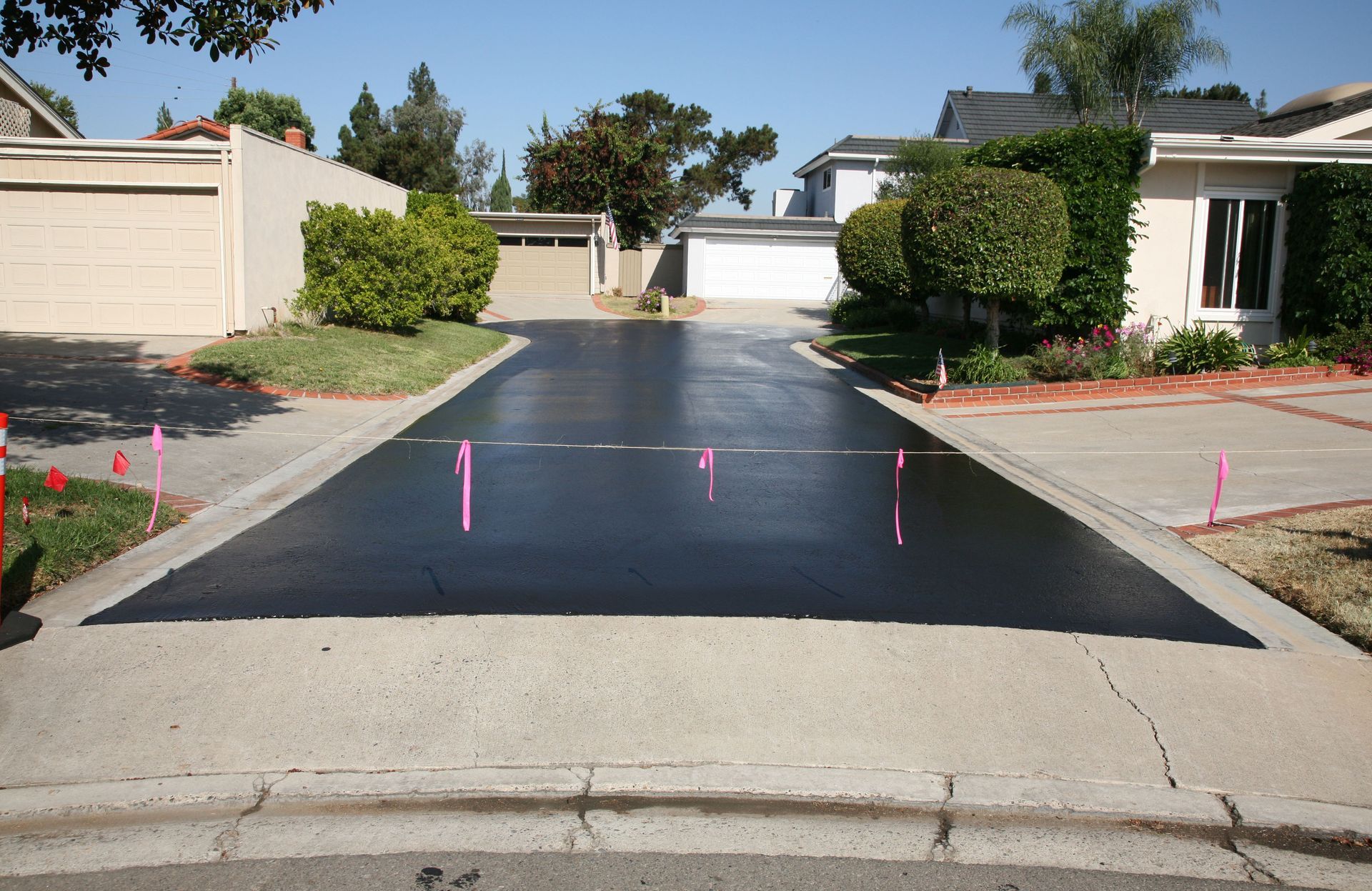
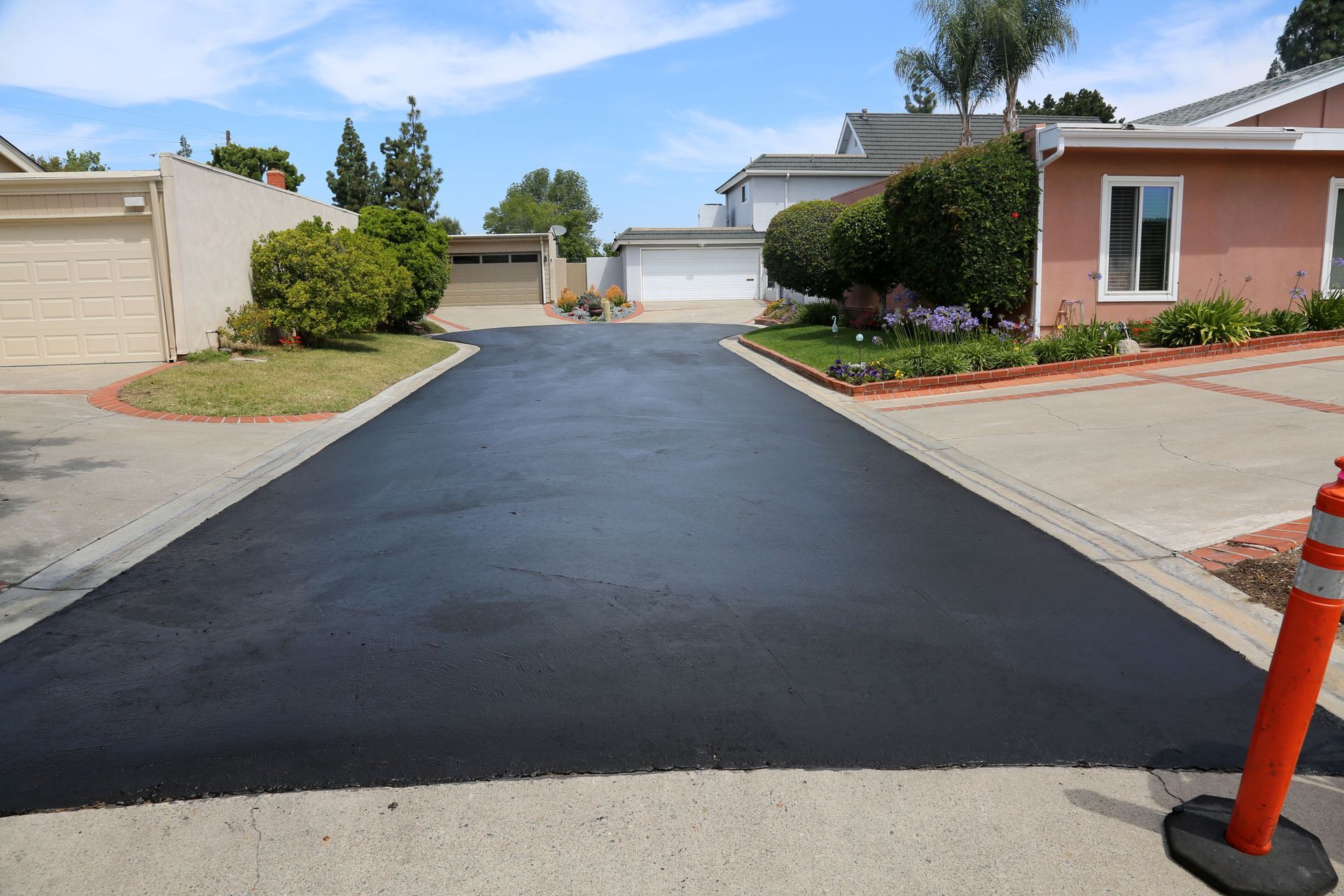
Sealcoating involves the application of a protective layer over asphalt pavement, designed to shield it from environmental aggressors. This layer acts much like a barrier, preventing moisture, pollutants, and UV rays from penetrating the surface. It helps to restore the rich black color of asphalt, improving its appearance while offering protection. Sealcoating is not a fix-all solution but a preventative measure to maintain surface integrity. A proper application by a sealcoating company ensures the deterioration process is slowed, preserving the pavement's structure.
The Sealcoating Process
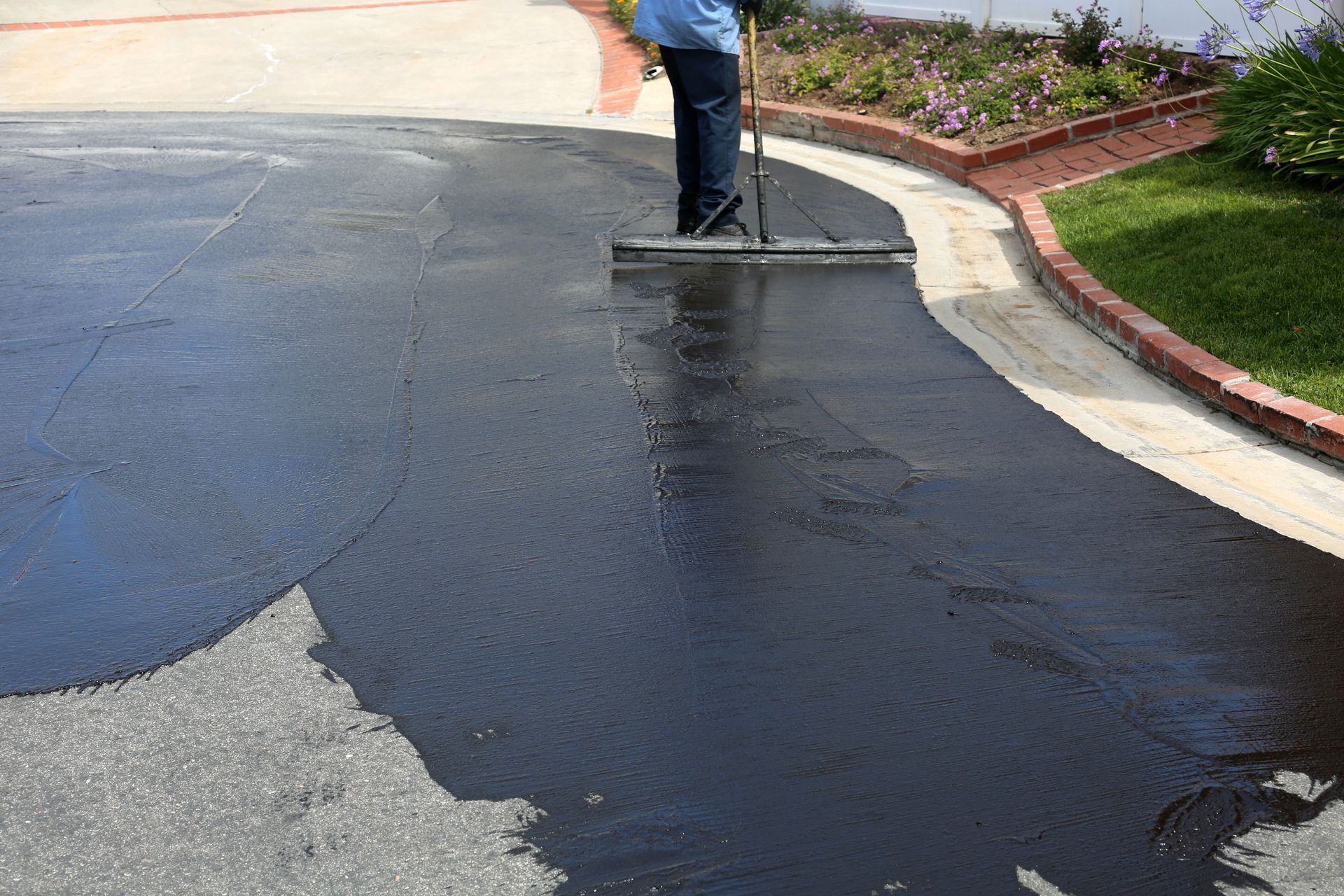
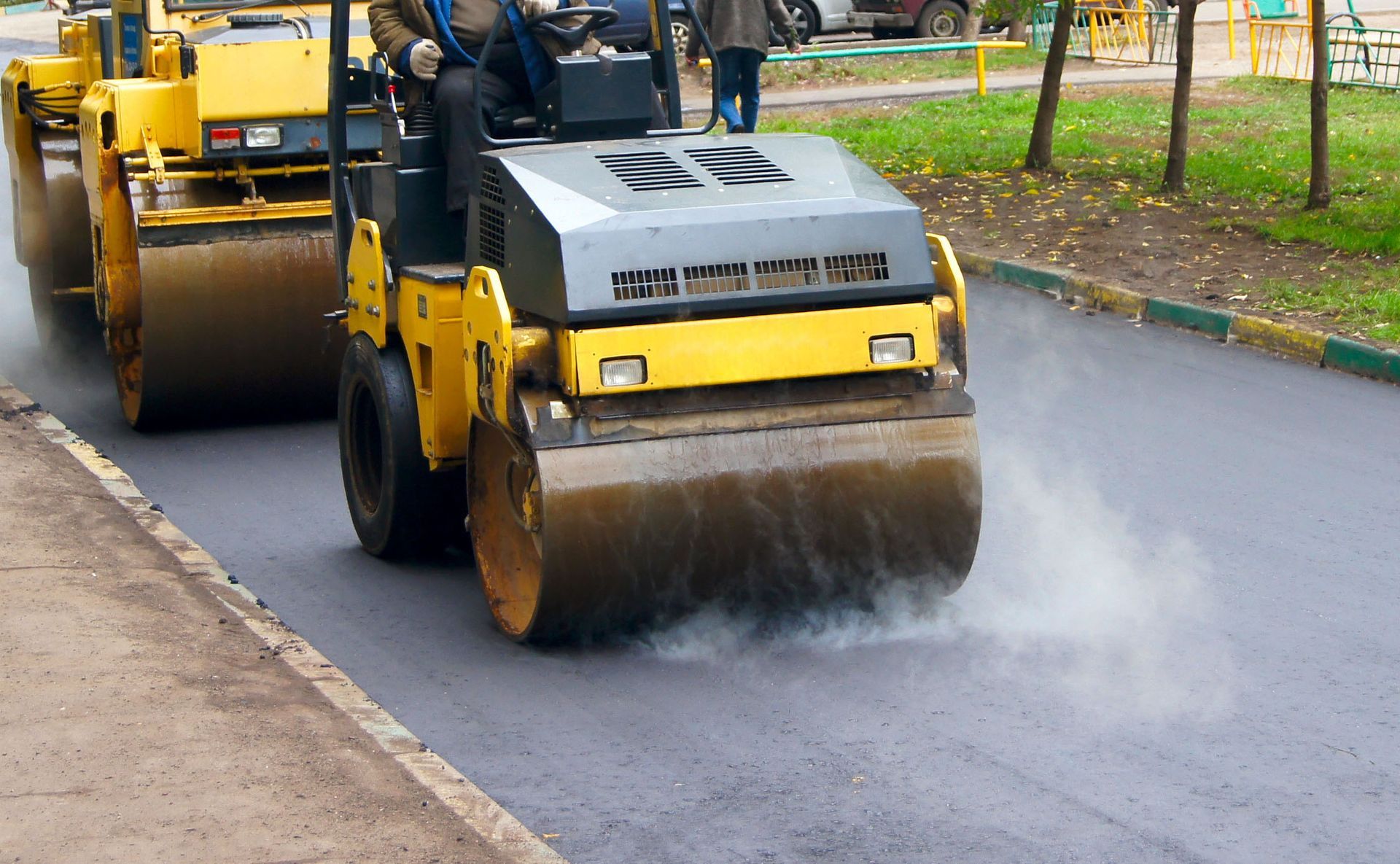
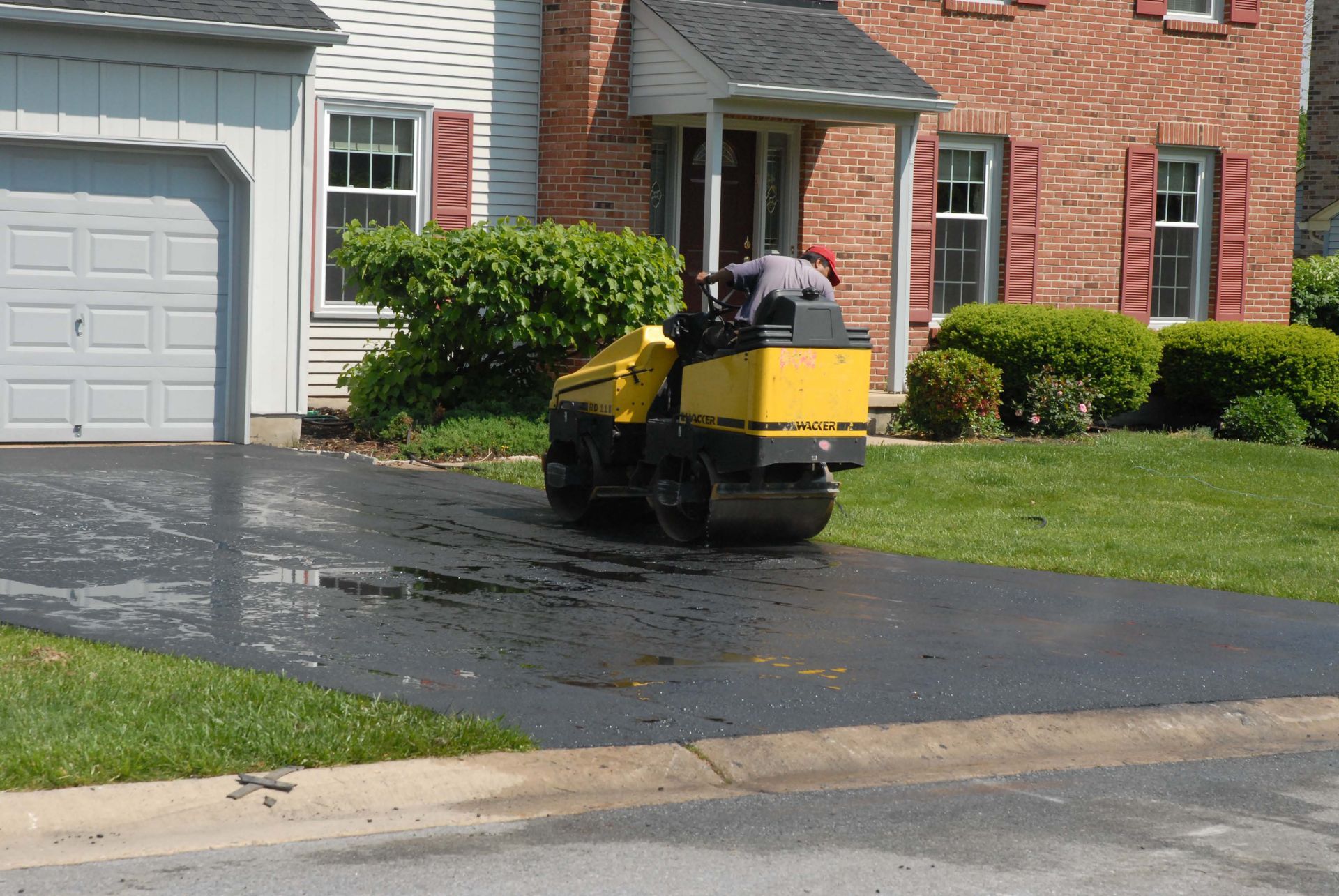
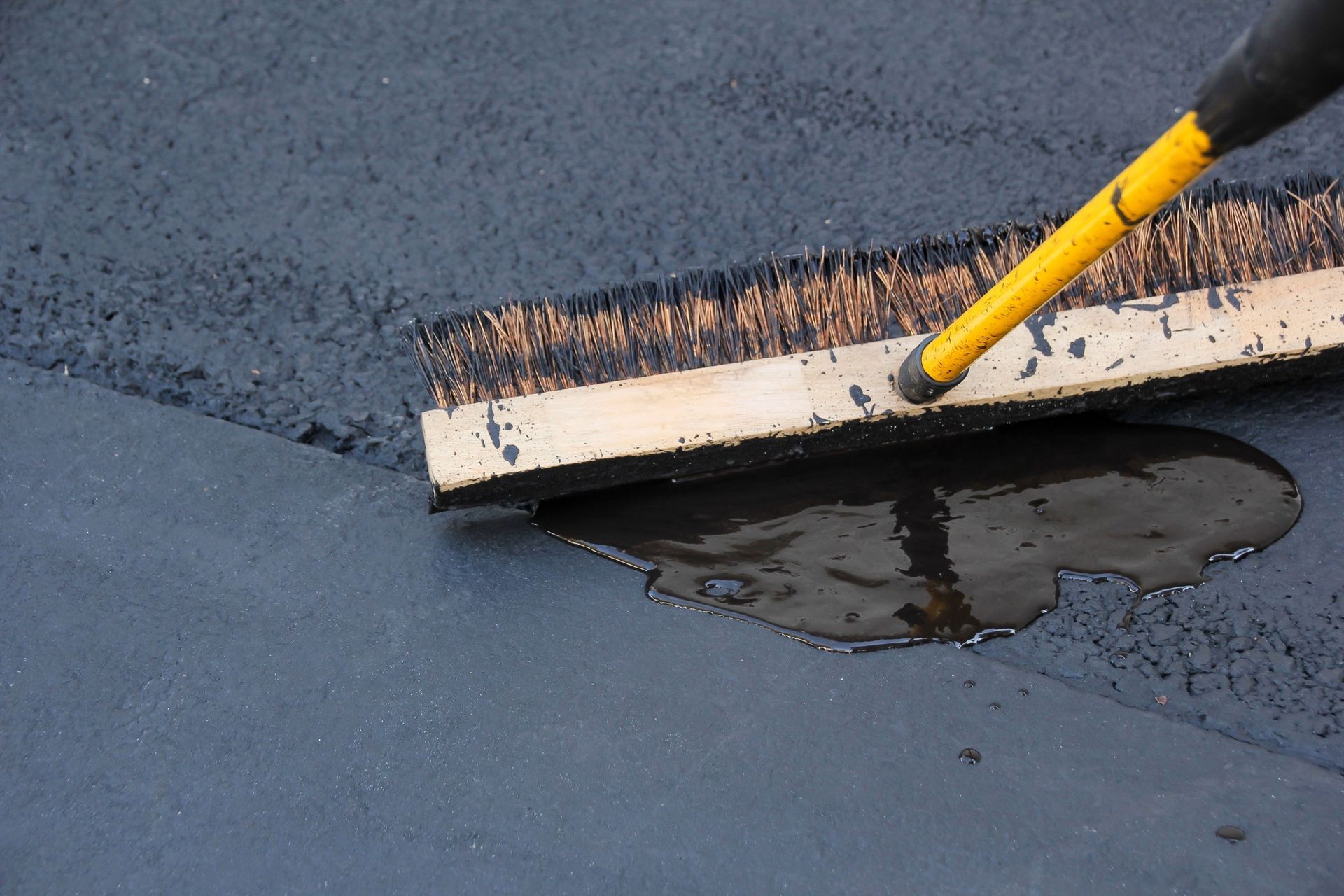
Sealcoating involves several steps to ensure effective application and adherence. First, the surface is cleaned thoroughly to remove debris and contaminants. Next, any existing cracks and holes are repaired, as the sealant cannot bond properly to damaged areas. The sealcoat is then applied using brushes, sprays, or squeegees, and left to dry. The process requires careful attention to weather conditions, as high humidity or rain can affect drying times. The end result is a smooth, uniform surface that protects and enhances the appearance of asphalt.
Preparation Before Sealcoating
Proper preparation is vital to the success and longevity of sealcoating treatments. Pavement surfaces should be thoroughly inspected for damage and adequately repaired before sealcoating. Cleaning the surface ensures the sealcoat will adhere properly, reducing the chances of peeling and cracking. It is also essential to choose the best time for application, generally during dry, warm weather. Following recommended preparation steps ensures optimal results and prolongs the asphalt's lifespan.
Frequency of Application
The lifespan of a sealcoating application can vary based on traffic conditions and environmental factors. As a general rule, asphalt surfaces benefit from sealcoating every two to three years. High-traffic areas may require more frequent applications to maintain surface integrity. In our experience, regular maintenance and timely applications of sealcoating can extend asphalt life by up to 50 percent. By following a regular maintenance schedule, property owners can preserve their investment and minimize repair needs.
Enhancing Durability Through Sealcoating
How Sealcoating Prevents Cracks
Sealcoating prevents cracking by providing a flexible and protective surface layer. It helps to lock in the natural oils within the asphalt, maintaining flexibility and preventing brittleness. By shielding the asphalt from drying forces, sealcoating minimizes the risk of cracks developing. It also serves as a barrier, preventing water infiltration, which can exacerbate crack formation. Proper application by a professional sealcoating company ensures that the asphalt remains resilient against environmental stressors.
Sealing Against Water Penetration
One of the primary objectives of sealcoating is to prevent water penetration. Water infiltration is a leading cause of asphalt deterioration, leading to potholes and other surface defects. Sealcoating creates a waterproof barrier, repelling water and preventing it from eroding the underlying aggregates. By blocking water infiltration, sealcoating protects the pavement's structural integrity, extending its lifespan. Consistent sealcoating protects against these potentially hazardous water-related issues.
Protecting Against UV Damage
We have seen that sealcoating plays a crucial role in protecting asphalt from harmful ultraviolet (UV) rays. These rays can cause the asphalt binder to oxidize, leading to color fading and surface deterioration. The sealcoat absorbs or reflects UV radiation, preserving the asphalt's rich, black color. This protective layer also prevents oxidation, maintaining the asphalt's flexibility. Regular applications by a sealcoating company ensures continued protection against UV-induced aging and surface degradation.
Resistance to Chemical Spills
Asphalt pavements are frequently exposed to automotive fluids, such as oil, gasoline, and antifreeze. These chemicals can lead to significant damage by softening the asphalt binder, resulting in surface deterioration. Sealcoating offers resistance to these chemical spills, preventing them from infiltrating and degrading the asphalt. By forming a protective barrier, sealcoating minimizes the impact of chemical exposure, reducing maintenance needs and preserving surface quality. Consistent application of sealcoat is essential to maintain this critical resistance.
Improving Load Bearing Capacity
Sealcoating enhances the load-bearing capacity of asphalt surfaces. By maintaining surface integrity and locking in essential oils, the pavement retains its flexibility and strength. This increased resilience allows asphalt to accommodate the compressive stresses from traffic loads more effectively. As a result, the risk of rutting and surface deformation is minimized, extending the pavement's service life. Continued applications of the product by a reliable sealcoating company ensures ongoing performance under heavy traffic conditions.
If you're in need of services from an expert sealcoating company, reach out to Musser Sealcoat & Paving Inc today; we've been providing reliable asphalt paving and sealcoating to our customers for decades.
Share On: